
OEM/ODM product
From the existing product to OEM/ODM production.
For businesses that already sell volumes: an own-brand product, developed with verified factories, validated samples and quality control. Physical or digital.
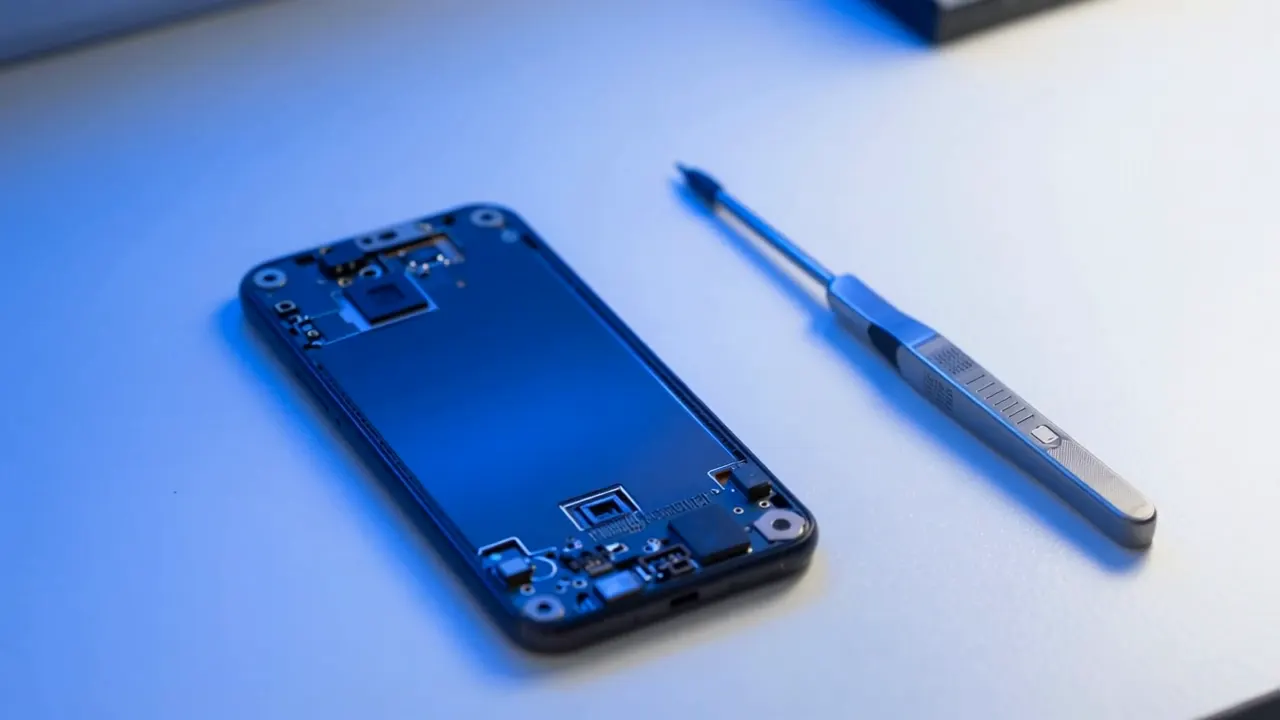
From the circuit board to series.
OEM / ODM
What OEM is and what ODM is.
Scroll the diagram sideways
The factory produces the client’s design
Specifications, design and components are defined by the client. The factory manufactures according to drawings and requirements.
- Maximum control over design and components
- More development work upstream
- Suited to differentiating products
The factory provides an already designed product
The product exists: it is customised for brand, appearance, features and packaging.
- Reduced development time and cost
- Customisation within the limits of the existing base
- Suited to fast market entry
The path
Five pages, from product to series.
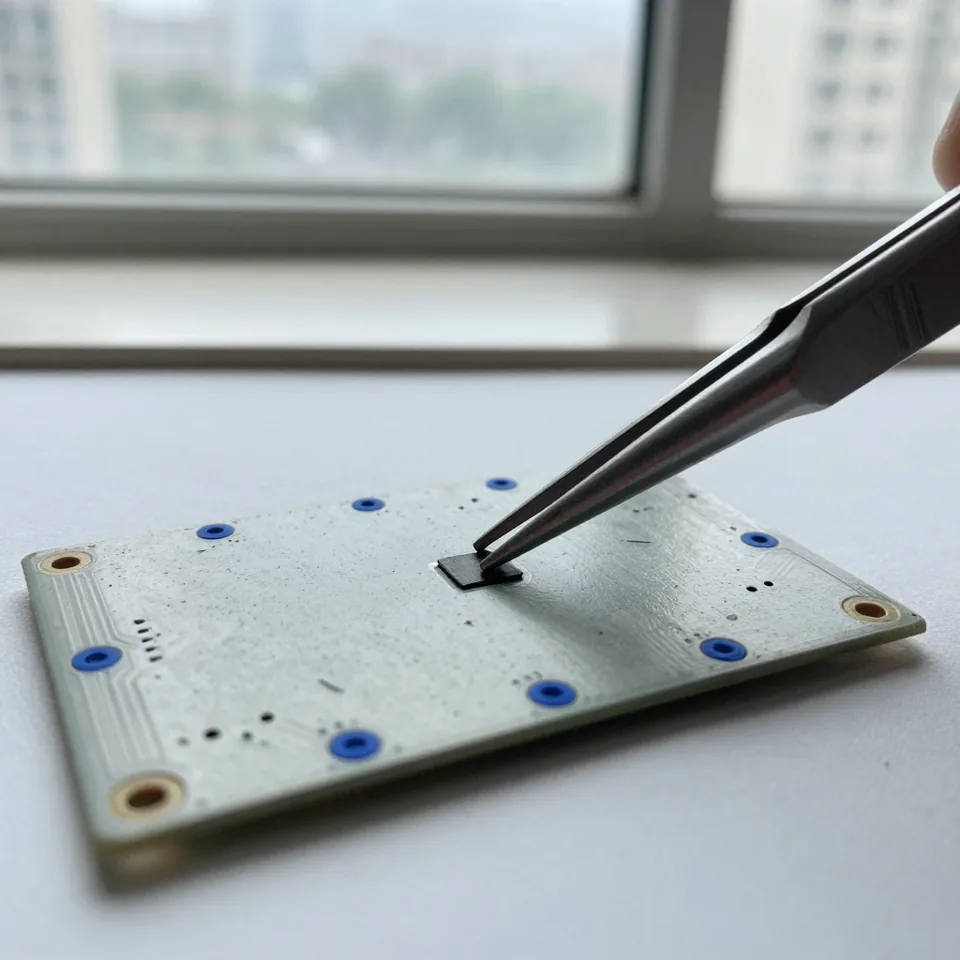
Product analysis
Components, costs, risks and positioning.
Open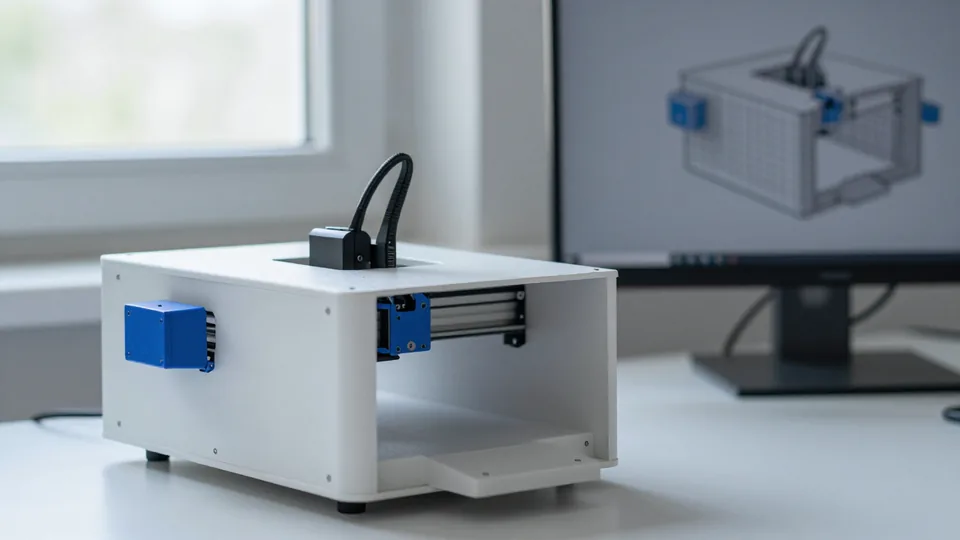
Design and prototyping
Physical and software, up to an assessable prototype.
Open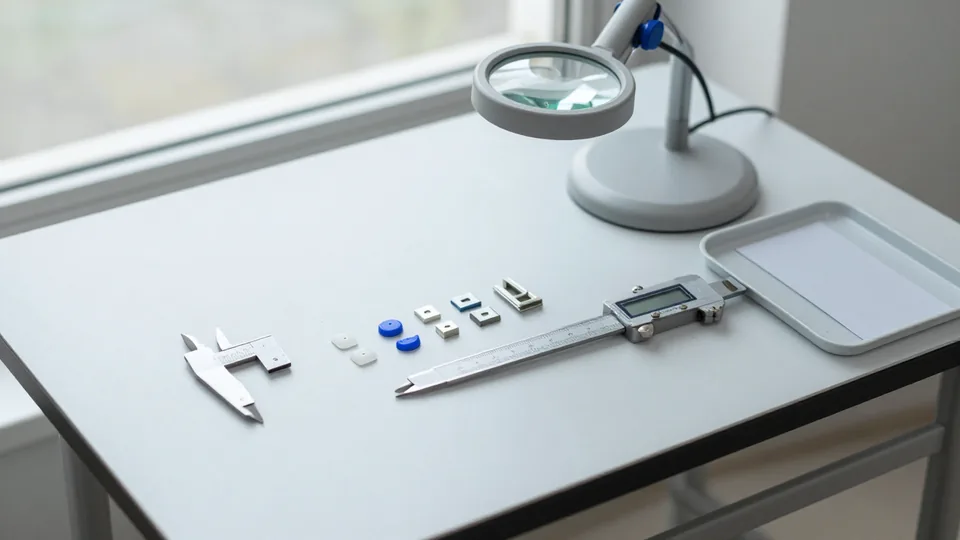
Factory selection and verification
Stated criteria, document review and visit.
OpenCatalogue and sectors
38 product categories and an index of 44 sectors.
Open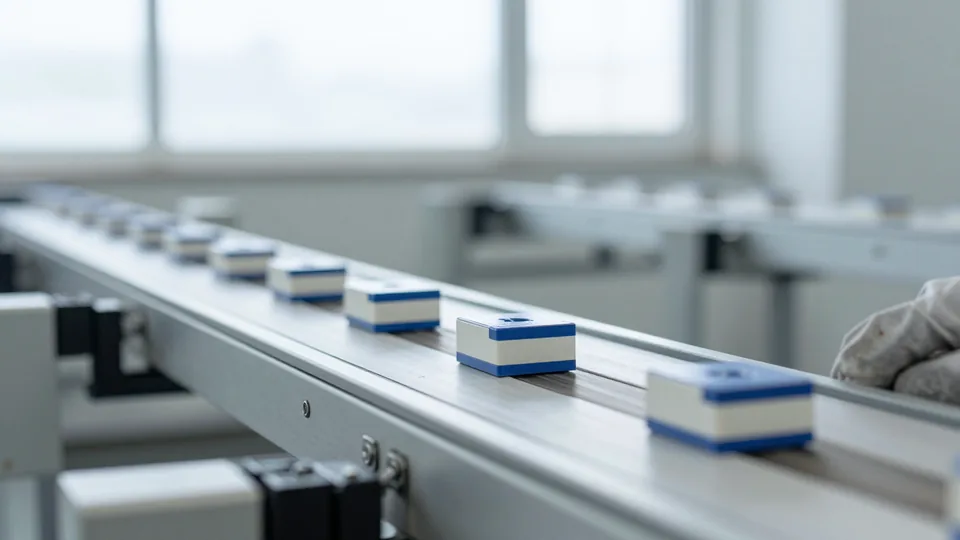
The six-phase process
From analysis to production and launch, with one deliverable per phase.
OpenIllustrative images generated with artificial-intelligence tools, not photographs of real products or plants.
Who it is for
When it makes sense. And when it does not.
- Sales already running in volume, with a third-party product resold
- Need to improve an existing product or change supplier
- Stated development budget and an internal contact for compliance
- An active or demonstrable sales channel
- An idea with no development budget
- A request for pure brokerage at the lowest price
- A regulated product with no compliance contact
- Expectations of a guaranteed sales outcome